Plastic Surgery Guide Korea: Consultation Tips

Plastic Surgery Guide Korea: Consultation Tips Every International Patient Needs

Traveling to South Korea for plastic surgery is one of the most transformative decisions you can make — but the journey truly begins before you ever step into an operating room. Your consultation is the single most important appointment in the entire process. For international patients navigating language barriers, unfamiliar medical systems, and high-pressure sales environments, knowing exactly how to handle this meeting can mean the difference between a life-changing result and a costly regret. This plastic surgery guide Korea consultation tips article breaks down everything you need to know.

Why the Consultation Matters More in Korea Than Anywhere Else

South Korea performs an estimated 1.3 million cosmetic procedures annually, and the country consistently ranks among the top global destinations for medical tourism. According to the Korea Health Industry Development Institute (KHIDI), over 600,000 foreign patients visited Korea for medical services in 2023, with aesthetic procedures accounting for a significant share. With such volume comes both exceptional expertise and, frankly, a competitive commercial environment where some clinics prioritize sales over your best interests.

Dr. Park Ji-yeon, a board-certified plastic surgeon with 18 years of experience in Gangnam, notes: “The consultation is where we establish trust. An ethical surgeon will spend time understanding your anatomy, your expectations, and your health history before ever discussing pricing. Patients who come prepared get far better outcomes.”

Understanding this dynamic empowers you to take control of your consultation — and ultimately your result.

Before the Consultation: Essential Preparation Steps

Gather Your Medical Records

Before arriving in Seoul, collect all relevant medical documentation. This includes any prior surgeries, allergies, current medications, and pre-existing conditions such as bleeding disorders, thyroid issues, or autoimmune diseases. Korean clinics are experienced with international patients, but they cannot perform their due diligence without your cooperation. Bring printed copies in English and, if possible, have key sections translated into Korean.

Define Your Goals Clearly

One of the most common mistakes international patients make is arriving at a consultation with vague ideas like “I want to look better” or “I want a Korean look.” Surgeons need specific, measurable goals. Collect reference photos — but use them as communication tools, not as blueprints. Korean aesthetic standards emphasize natural enhancement, and a qualified surgeon will advise whether a reference is anatomically achievable for your unique features.

Research Your Procedures and Price Ranges

Walking in with a basic understanding of procedures and realistic cost expectations prevents sticker shock and helps you identify outliers. Here are general price ranges for popular procedures in Korea as of 2026:

  • Double eyelid surgery (blepharoplasty): ₩800,000–₩2,500,000 (approximately $600–$1,900 USD)
  • Rhinoplasty (nose job): ₩3,000,000–₩8,000,000 (approximately $2,200–$6,000 USD)
  • Facial contouring (jaw/cheekbone reduction): ₩5,000,000–₩15,000,000 (approximately $3,700–$11,000 USD)
  • Breast augmentation: ₩4,000,000–₩10,000,000 (approximately $3,000–$7,500 USD)
  • Liposuction (per area): ₩1,500,000–₩5,000,000 (approximately $1,100–$3,700 USD)

Prices significantly below these ranges should raise red flags about surgeon qualifications or facility standards.

What to Ask During Your Korean Plastic Surgery Consultation

Questions About the Surgeon

Never be embarrassed to ask about credentials. In Korea, look for surgeons who are members of the Korean Society of Plastic and Reconstructive Surgeons (KSAPS) or the Korean Society for Aesthetic Plastic Surgery (KSAPS). Specifically ask:

  • How many times have you performed this specific procedure?
  • Can I see before-and-after photos of previous patients with similar anatomy to mine?
  • Will you personally perform the surgery, or will an assistant handle portions?
  • Are you board-certified, and in which specialty?

The answer to the third question is particularly critical. “Ghost surgery” — where an unlicensed assistant or different surgeon performs the procedure without patient knowledge — has been a documented problem in Korean aesthetic clinics. South Korean law now requires clinics to obtain written consent identifying the operating surgeon, but verifying this in advance remains wise.

Questions About Your Specific Procedure

  • What technique do you recommend for my anatomy, and why?
  • What are the realistic risks and complications specific to my case?
  • What does the recovery timeline look like, and when can I fly home safely?
  • What happens if I need a revision procedure after returning to my home country?
  • Will I receive written post-operative care instructions in English?

Questions About the Facility

  • Is this clinic accredited by the Korean Institute for Healthcare Accreditation (KOIHA)?
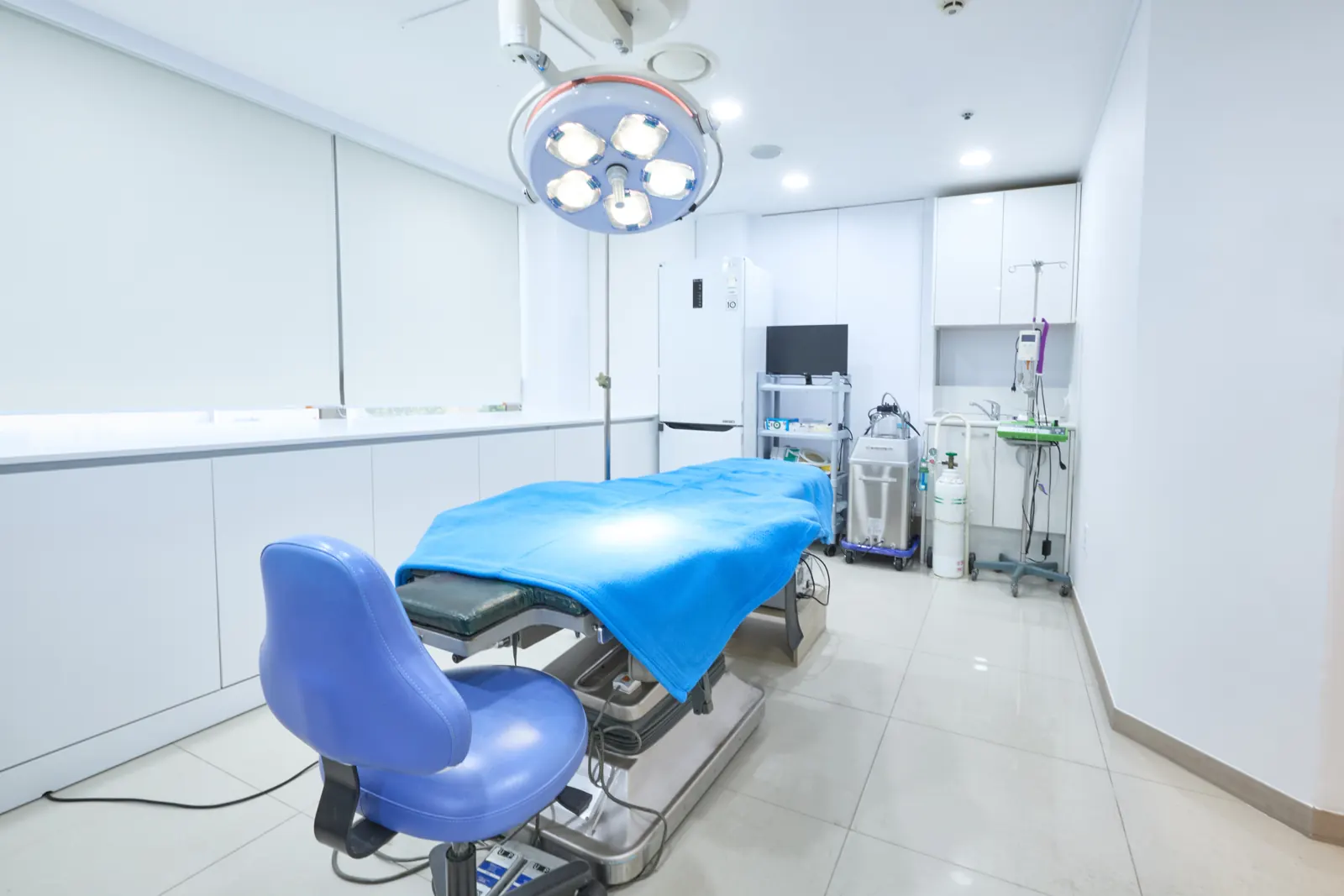
  • Does the facility have a licensed anesthesiologist present during the procedure?
  • What emergency protocols are in place?

Red Flags to Watch for During Consultations

This plastic surgery guide Korea consultation tips section may be the most important part of this article. Watch for these warning signs:

Pressure to Book Immediately

Ethical surgeons will never pressure you to sign contracts or pay deposits on the same day as your consultation. If a clinic coordinator insists that “this price is only available today” or that “the surgeon’s schedule is almost full,” treat this as a serious red flag. Take time to consult at multiple clinics — most patients in Korea visit two to four clinics before deciding.

Consultations Conducted Entirely by Coordinators

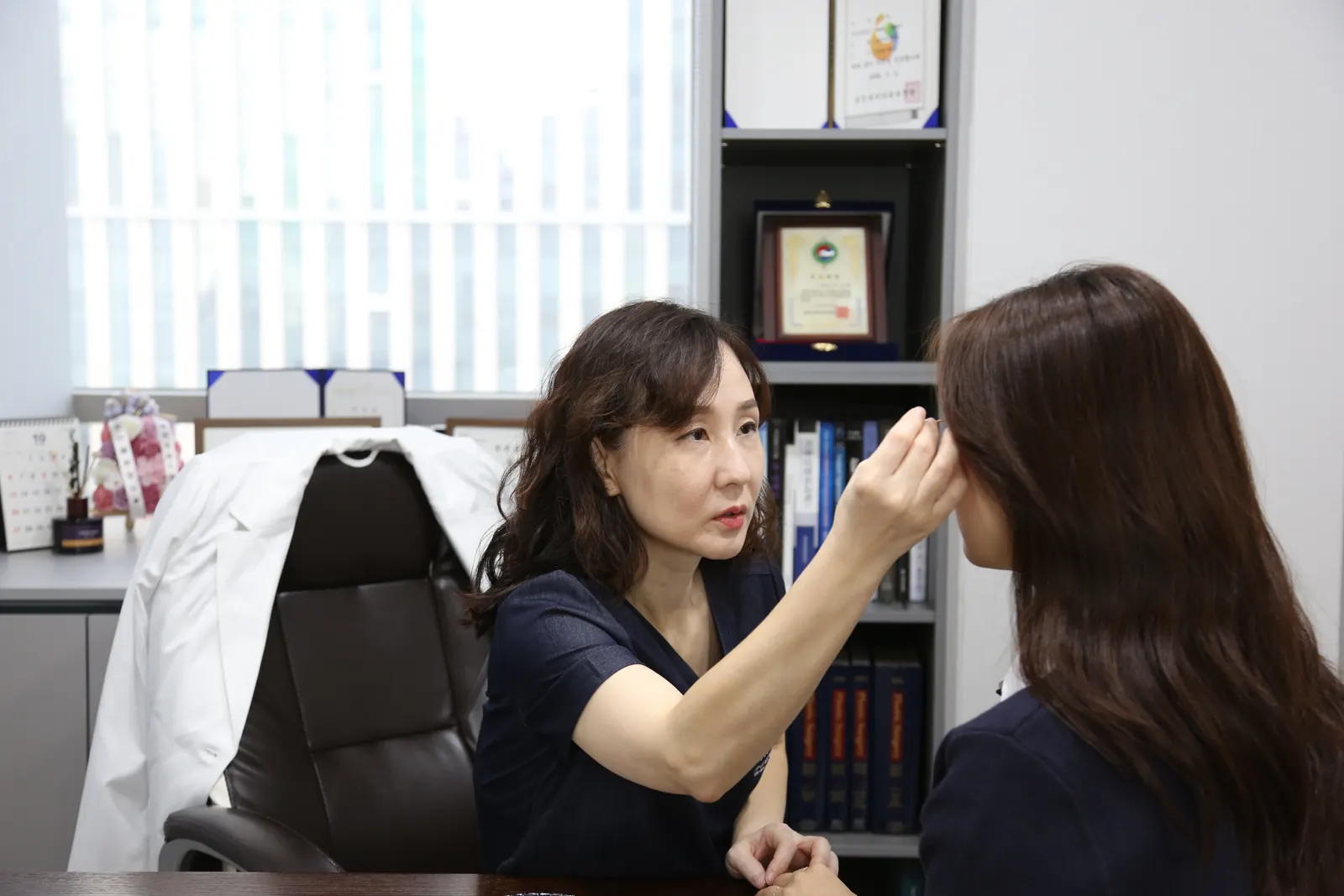
In many Korean clinics, a “coordinator” (a non-medical staff member) handles most of the consultation, and the surgeon appears only briefly. While some coordinator involvement is normal, your actual surgical assessment and recommendation should come directly from the surgeon. If you cannot get meaningful face time with the doctor who will operate on you, walk away.

Unusually Low Quotes

Prices dramatically below market range often indicate hidden costs, unqualified surgeons, outdated techniques, or substandard facilities. Quality surgery requires appropriate investment in skilled professionals, sterile environments, and quality materials.

Language and Communication Tips

While many Gangnam clinics employ English-speaking coordinators, medical communication nuances can still be lost in translation. Consider these strategies:

  • Use a professional medical interpreter for complex or high-risk procedures
  • Prepare a written list of your questions in advance so nothing is forgotten
  • Request that all key information — technique, risks, recovery, revision policy — be provided in writing in English
  • Use visual aids: diagrams, photos, and even drawing on printed face diagrams to communicate desired changes

After the Consultation: How to Compare Clinics

After visiting multiple clinics, create a comparison framework. Evaluate each clinic on surgeon credentials, communication quality, transparency about risks, price clarity, revision policies, and how comfortable you felt being heard. Your gut feeling about trust and communication is as valid as the formal credentials check.

Document everything. Take notes immediately after each consultation. Request written quotes that itemize anesthesia, facility fees, post-operative medications, and follow-up appointments. Many surprise costs emerge from these secondary fees.

Frequently Asked Questions

How many consultations should I have before choosing a surgeon in Korea?

Most experienced medical tourism consultants recommend visiting at least two to three clinics before making a decision. This allows you to compare approaches, pricing transparency, and communication quality, and reduces the risk of making an emotionally pressured choice.

Is the consultation free at Korean plastic surgery clinics?

Most Korean clinics offer free initial consultations, particularly for international patients. Some premium clinics charge a small consultation fee (typically ₩30,000–₩100,000 / approximately $22–$75 USD), which may be deducted from your procedure cost if you proceed. Always confirm this in advance.

Can I have my consultation online before traveling to Korea?

Yes. Many reputable Korean clinics offer virtual consultations via video call. This is an excellent way to assess communication quality, understand the surgeon’s approach, and get preliminary pricing before committing to travel. However, a final in-person assessment is always required before surgery.

What documents should I bring to my plastic surgery consultation in Korea?

Bring a valid passport (for identity verification and medical records), your complete medical history including current medications, any prior surgical records, reference photos of your desired outcome, a list of questions, and payment method information if you intend to book that day (though we recommend taking time before booking).

What is the revision policy I should ask about during consultation?

Ask specifically: Does the clinic offer free revisions within a certain timeframe? What constitutes a revision versus a complication requiring additional surgical fees? Will revisions be performed by the same surgeon? And critically — how does the clinic handle revision requests from patients who have returned to their home country? Get all revision policies in writing before signing any agreement.

Related Articles

For more guidance on your Korea plastic surgery journey, explore these helpful resources: Korea Plastic Surgery Consultation Guide, Plastic Surgery Guide Korea for Foreigners, Plastic Surgery Guide Korea Safety Tips, and Plastic Surgery Guide Korea Cost Breakdown.

Leave a Comment