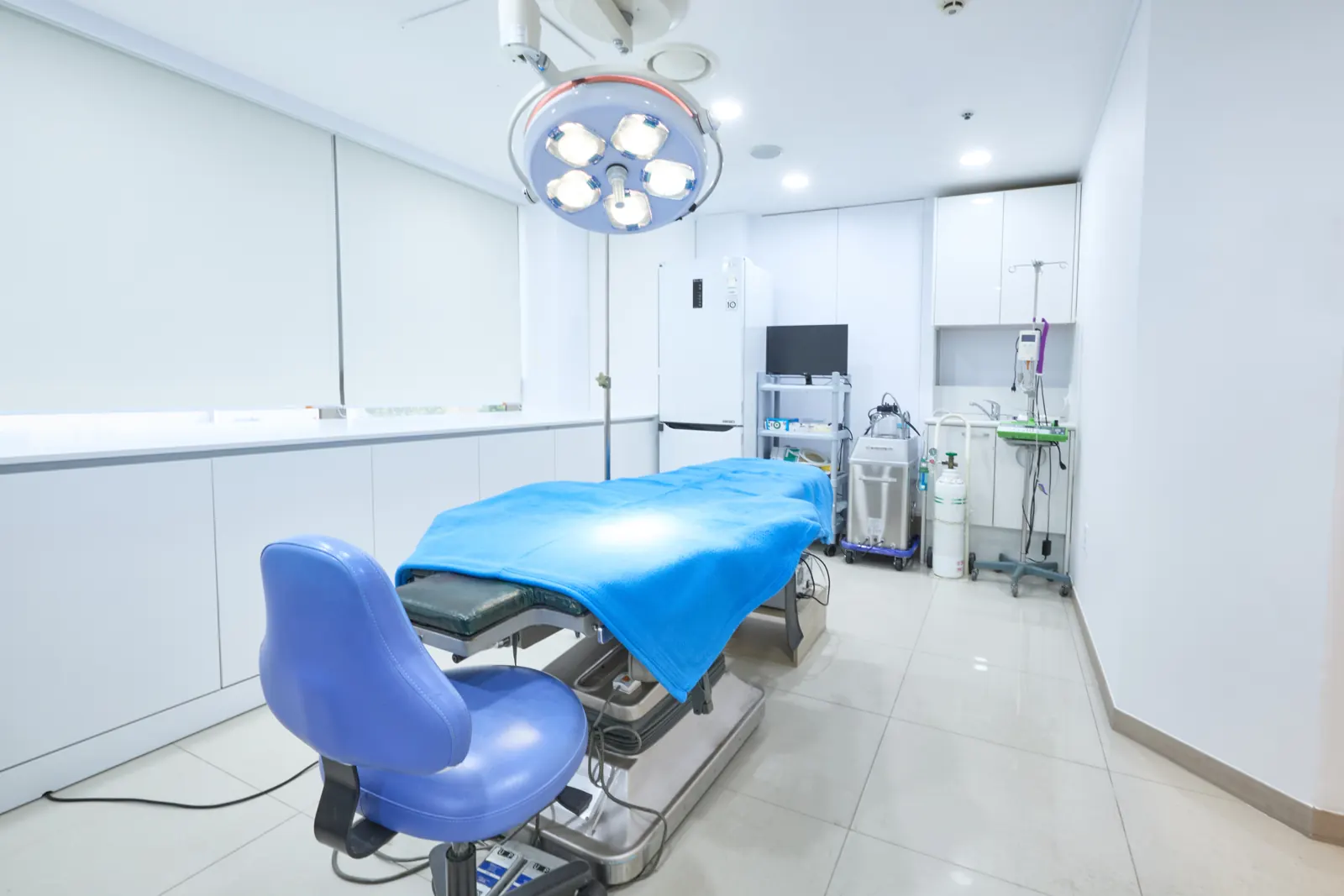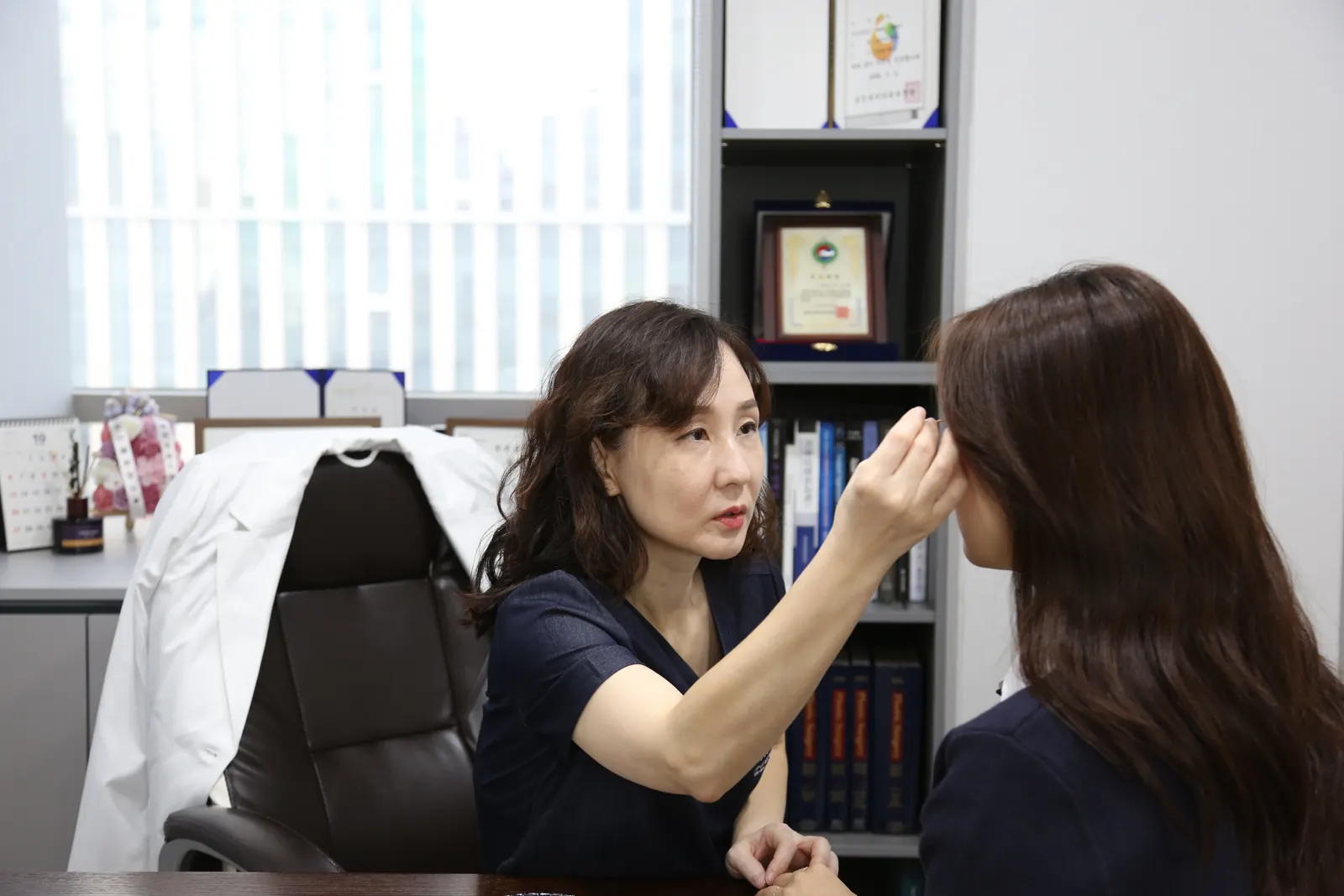
Plastic Surgery Guide Korea: Combination Procedures & Safety
Korea has cemented its reputation as the world’s leading destination for aesthetic surgery, attracting over 500,000 medical tourists annually according to the Korea Health Industry Development Institute (KHIDI). For international patients, the appeal is clear: world-class surgeons, cutting-edge technology, competitive pricing, and the ability to combine multiple procedures in a single trip. However, combining surgeries requires careful planning, thorough research, and an unwavering focus on safety. This comprehensive plastic surgery guide Korea combination safety resource walks you through everything you need to know before booking your journey.
Why Patients Choose Korea for Combination Plastic Surgery
The concept of “surgical tourism” has evolved significantly. Today’s international patients aren’t simply seeking bargain procedures — they’re choosing Korea because of its unmatched concentration of board-certified plastic surgeons, its rigorous hospital accreditation standards, and the cultural refinement of aesthetic techniques that have been honed over decades. The Gangnam district of Seoul alone houses more than 600 registered plastic surgery clinics, offering everything from rhinoplasty to full-body contouring.
Combining procedures in a single visit makes practical and economic sense for international travelers. Flying to Seoul for two or three procedures simultaneously means one recovery period, one travel disruption, and significant overall cost savings — provided the combinations are medically appropriate and carefully managed.
Most Popular Combination Procedures in Korea
Face-Focused Combinations
The most frequently requested combination packages among international patients include:
- Double eyelid surgery + Rhinoplasty: Korea’s signature combination, often performed together under a single anesthesia session. Cost range: ₩4,000,000–₩9,000,000 (approximately $2,900–$6,500 USD).
- Zygoma reduction + Jaw contouring (V-line surgery): A powerful facial restructuring combination that addresses bone structure simultaneously. Cost range: ₩8,000,000–₩18,000,000 (approximately $5,800–$13,000 USD).
- Rhinoplasty + Chin augmentation: Improves facial profile balance. Cost range: ₩5,000,000–₩12,000,000 (approximately $3,600–$8,700 USD).
- Blepharoplasty + Fat grafting: Addresses eye rejuvenation and volume loss together. Cost range: ₩4,500,000–₩10,000,000 (approximately $3,300–$7,200 USD).
Body Contouring Combinations
Body procedures are also frequently combined, particularly for patients seeking comprehensive transformation:
- Liposuction + Breast augmentation: Cost range: ₩7,000,000–₩15,000,000 (approximately $5,100–$10,900 USD).
- Abdominoplasty + Liposuction: Often referred to as a “tummy tuck combo.” Cost range: ₩8,000,000–₩18,000,000 (approximately $5,800–$13,000 USD).
Safety Considerations for Combination Surgeries
Understanding Surgical Risk Thresholds
Dr. Kim Sung-jin, a board-certified plastic surgeon at a leading Seoul clinic, notes: “The critical factor in combining procedures is total anesthesia time. We generally recommend staying under six hours for combined surgeries to minimize risks related to anesthesia complications, blood clots, and extended recovery.” This guideline is widely adopted across reputable Korean clinics and represents the international standard for patient safety.
Key safety factors to evaluate include:
- Total anesthesia duration: Should ideally not exceed 5–6 hours per session.
- Patient’s baseline health: A thorough pre-operative health screening (blood tests, ECG, chest X-ray) is mandatory at accredited Korean hospitals.
- Surgeon specialization: Ensure the lead surgeon is board-certified by the Korean Society of Plastic and Reconstructive Surgeons (KSPRS).
- Clinic accreditation: Look for facilities certified by the Korea Institute for Healthcare Accreditation (KOIHA) or international bodies such as JCI.
Pre-Operative Health Screening
Reputable Korean clinics require comprehensive pre-operative testing before any combination procedure. Standard screening typically includes complete blood count (CBC), coagulation tests, liver and kidney function panels, and cardiovascular assessment for patients over 40. International patients should arrive at least 2–3 days before surgery to complete these evaluations and allow time for consultation adjustments.
The Role of the Medical Coordinator
Most internationally recognized Korean plastic surgery clinics employ dedicated English-speaking medical coordinators. These professionals are essential for international patients — they facilitate translation during consultations, coordinate between departments, manage scheduling for combination procedures, and serve as your primary point of contact throughout your stay. Do not underestimate the value of a skilled coordinator when planning complex, multi-procedure surgeries.
Planning Your Combination Surgery Trip: A Step-by-Step Guide
Step 1: Research and Shortlist Clinics
Begin your research at least 3–6 months before your planned travel date. Review before-and-after portfolios, read verified patient testimonials on platforms like RealSelf or local Korean forums, and verify surgeon credentials through the KSPRS official registry. Shortlist 2–3 clinics and request virtual consultations before committing.
Step 2: Virtual Consultation and Procedure Planning
Most leading Korean clinics now offer comprehensive virtual consultations via video call. Submit high-quality photos (front, side, and three-quarter angles) along with a detailed description of your goals. A qualified surgeon will advise you on which procedures can safely be combined based on your anatomy and health profile.
Step 3: Confirm Your Timeline
Plan for a minimum stay of 10–14 days for most facial combination procedures, and 14–21 days for body contouring combinations. This allows adequate time for surgery, initial healing, follow-up appointments, and suture removal before flying home. Most surgeons advise against long-haul flights within the first 7–10 days post-surgery.
Step 4: Arrange Post-Operative Accommodation
Seoul offers numerous recovery-friendly accommodation options, including specialized “recovery houses” near the Gangnam clinic district that provide nursing support, dietary meal preparation, and translation services. These facilities typically cost ₩100,000–₩300,000 per night (approximately $73–$218 USD) and are highly recommended for international patients undergoing major combination surgeries.
Red Flags to Watch Out For
The popularity of Korean plastic surgery has unfortunately attracted some unscrupulous providers. Be cautious of:
- Clinics that quote prices significantly below the market average without explanation.
- Surgeons who cannot provide verifiable board certification credentials.
- Facilities that pressure patients into booking during the initial consultation without adequate time for reflection.
- Any clinic that discourages thorough pre-operative testing or skips health screening protocols.
- Lack of clear post-operative follow-up protocols for international patients returning home.
Recovery and Post-Operative Care
Recovery timelines vary significantly by procedure. Facial surgeries typically see the majority of visible swelling resolve within 2–3 weeks, though complete final results can take 6–12 months for full tissue settling. Body contouring procedures may require compression garments for 4–8 weeks post-surgery. Your Korean clinic should provide a detailed written recovery protocol, including instructions for your home country physician should complications arise.
Many top-tier Korean clinics also offer remote follow-up services, allowing international patients to submit photos and communicate with their surgical team via dedicated patient apps or WhatsApp consultations for up to 12 months post-procedure.
Frequently Asked Questions (FAQ)
1. How many procedures can safely be combined in one surgery session in Korea?
Most experienced Korean plastic surgeons recommend combining no more than 2–3 procedures in a single session, with total anesthesia time kept under 5–6 hours. The exact number depends on your health status, the complexity of each procedure, and your surgeon’s assessment. Always follow your surgeon’s professional recommendation over any budget-driven preference.
2. Is it safe to fly internationally shortly after combination surgery in Korea?
Long-haul international flights are generally discouraged within the first 7–10 days following surgery due to the risk of deep vein thrombosis (DVT) and increased swelling from cabin pressure changes. Most Korean surgeons recommend a minimum in-country stay of 10–14 days before flying, and advise compression stockings and regular movement during the flight.
3. How do I verify that a Korean plastic surgeon is board-certified?
You can verify surgeon credentials through the Korean Society of Plastic and Reconstructive Surgeons (KSPRS) official website or by requesting the surgeon’s certificate directly. Board certification in Korea requires completion of an accredited residency program followed by a national qualifying examination. Our related article on surgeon board certification provides a detailed verification guide.
4. What is the typical total cost of a combination facial surgery package in Korea?
Costs vary significantly based on clinic reputation, surgeon experience, and the specific procedures combined. A mid-range combination of double eyelid surgery and rhinoplasty typically costs between ₩6,000,000–₩12,000,000 (approximately $4,400–$8,700 USD). More extensive combinations involving bone contouring can reach ₩20,000,000–₩30,000,000 ($14,500–$21,700 USD). Always obtain itemized quotes and clarify what is included (anesthesia fees, facility fees, follow-up visits).
5. What should I do if I experience complications after returning home from Korea?
Prior to departure, obtain a comprehensive discharge summary and operative report from your Korean clinic, translated into English. Establish contact with a local physician familiar with post-surgical care before you travel. Maintain active communication with your Korean clinic’s aftercare team via their remote consultation services. For serious complications, proceed to your nearest emergency medical facility immediately and have them contact your Korean surgical team for records and guidance.
Related Articles
For more detailed guidance on specific aspects of your plastic surgery journey in Korea, explore these resources: