Last Updated: April 2026 | Reviewed by: Korea Medical Tourism Editorial Team
Based on consultations with multiple clinics across Gangnam and Apgujeong, plastic surgery safety in Korea is governed by a far more rigorous framework than many international patients initially expect. South Korea performs over 1 million cosmetic procedures annually, and according to data from the Korean Ministry of Health and Welfare, the country has introduced mandatory facility accreditation standards specifically designed to protect foreign medical tourists seeking surgical care.
International patients are often surprised to learn that South Korea ranks among the highest per-capita rates of plastic surgery globally, yet maintains one of the most structured medical oversight systems in Asia. Understanding plastic surgery safety in Korea before booking a procedure is not just advisable — it is essential. The gap between a board-certified specialist operating in a licensed surgical suite and a non-specialist performing procedures in an unaccredited clinic can mean the difference between a successful outcome and a serious complication.
Clinical Perspective: A board-certified plastic surgeon practicing in Gangnam notes: “Many of our international patients arrive having done research online, but very few understand how to verify a clinic’s surgical licensing status or confirm that their operating room meets Korean Ministry of Health standards. We always encourage patients to request facility accreditation documentation before signing any consent form.”
Understanding Korea’s Plastic Surgery Safety Regulations
Licensing and Accreditation Requirements
Korea’s medical system requires all plastic surgeons to hold board certification from the Korean Board of Plastic and Reconstructive Surgery, a credential that demands a minimum of six years of post-medical-school training including a dedicated residency. The American Society of Plastic Surgeons recognizes South Korean surgical training standards as comparable to those in the United States and Western Europe, a significant benchmark for international patients evaluating their options.
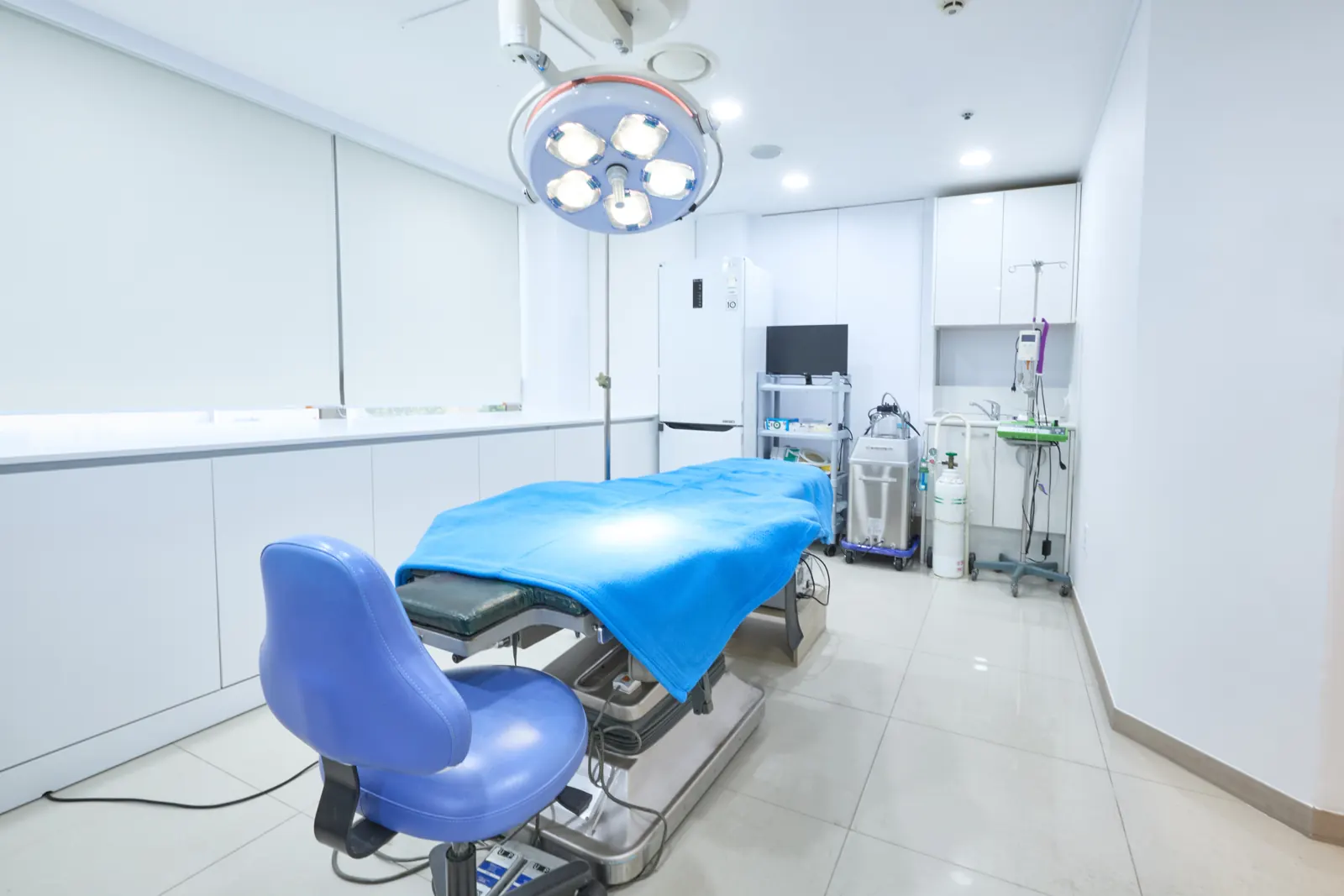
Beyond surgeon credentials, Korean law mandates that any clinic performing procedures requiring general or intravenous sedation must operate a licensed surgical facility. Clinics performing surgeries under local anesthesia alone face slightly different requirements, but reputable institutions voluntarily pursue comprehensive facility accreditation regardless. When evaluating a clinic, patients should always confirm that the operating room has emergency resuscitation equipment on-site and that a licensed anesthesiologist — not merely a nurse anesthetist — is present during any procedure involving sedation.
The Role of the Korean Government in Patient Protection
In recent years, the Korean Ministry of Health and Welfare has implemented stricter penalties for illegal medical brokerage, ghost surgery — where an uncredentialed practitioner performs the operation in place of the booked surgeon — and unlicensed aesthetic procedures. Ghost surgery remains one of the most widely reported safety concerns among international patients and has led to high-profile prosecutions. To protect yourself, confirm in writing that your named surgeon will be physically present and performing your procedure from start to finish. Reputable clinics will provide this assurance without hesitation.
How to Evaluate Plastic Surgery Safety at Korean Clinics
Verifying Surgeon Credentials
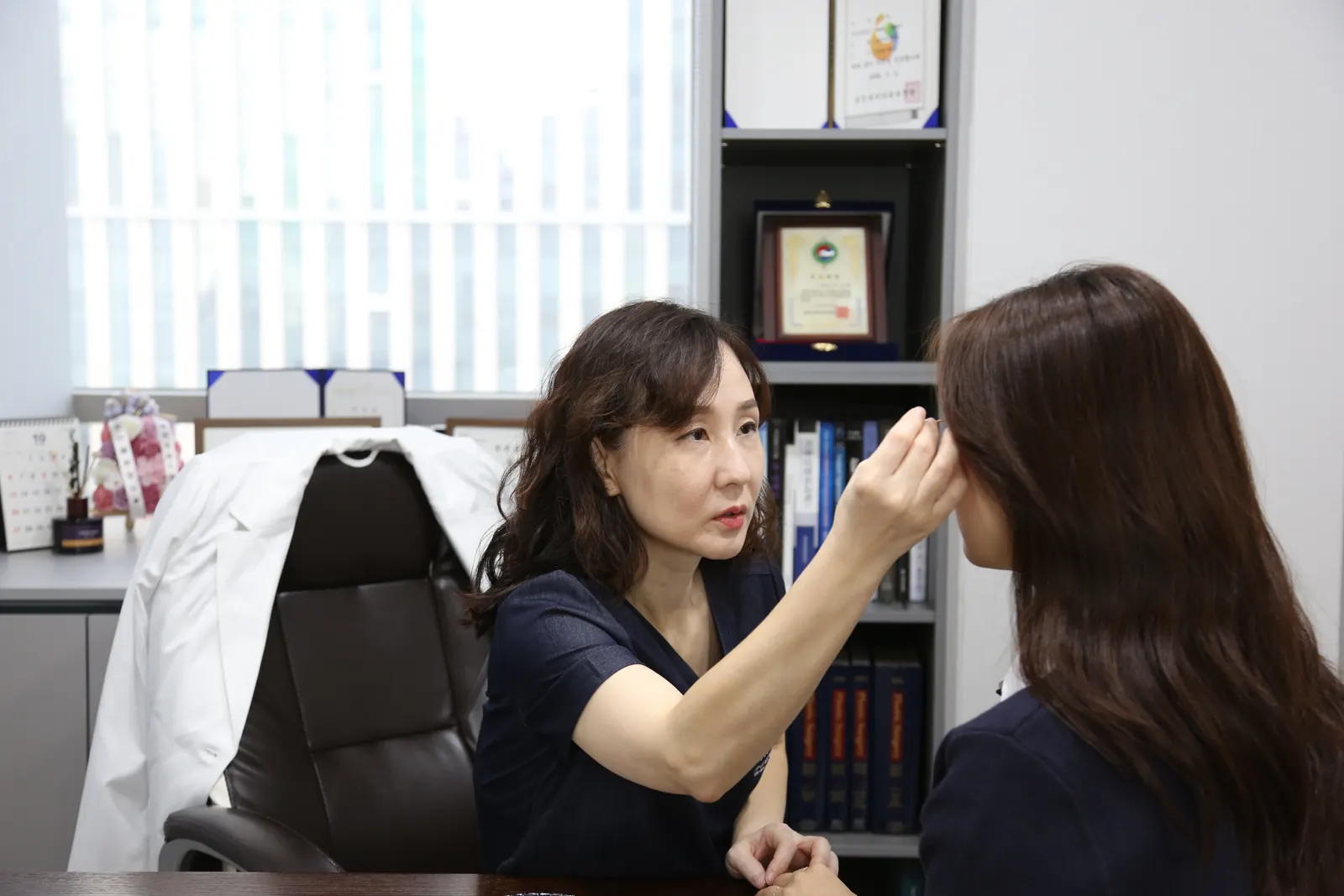
Before booking any procedure, request the surgeon’s Korean Medical License number and their board certification number. These can be cross-referenced through the Korean Medical Association at kma.org. Legitimate Gangnam clinics will not only provide this information voluntarily but will often display it prominently in their consultation materials. Red flags include vague answers about surgical experience, reluctance to share before-and-after portfolios, and pressure to book on the same day as your consultation.
Assessing Facility Standards
A safe surgical environment in Korea should include a sterile operating theater with positive pressure ventilation, certified anesthesia equipment, post-operative recovery monitoring, and clear emergency protocols. During your consultation — which at quality clinics typically lasts 30 to 60 minutes — you have every right to ask for a facility tour. Clinics offering complex procedures such as rhinoplasty, double jaw surgery, or full facial contouring should have intensive care or post-anesthesia care unit (PACU) capabilities on-site or immediate access to a partnering hospital.
Common Procedures and Associated Safety Considerations
Facial Surgery: Rhinoplasty and Contouring
Rhinoplasty remains one of Korea’s most sought-after procedures among international patients. Costs range from approximately ₩3,000,000 to ₩8,000,000 (roughly $2,200 to $5,900 USD) depending on complexity, cartilage grafting requirements, and the clinic’s tier. Recovery typically involves 7 to 10 days of visible swelling and bruising, with full structural healing taking up to 12 months. Safety considerations include confirming that revision rhinoplasty — if ever needed — is handled by your primary surgeon, and that post-operative follow-up appointments are included in your treatment package.
Eye Surgery: Double Eyelid and Ptosis Correction
Double eyelid surgery (blepharoplasty) is among the most commonly performed procedures in Korea, with prices ranging from ₩800,000 to ₩2,500,000 ($580 to $1,850 USD) for the incision method. Ptosis correction, which addresses drooping eyelids, is a more complex procedure requiring specific surgical expertise and typically costs ₩1,500,000 to ₩4,000,000 ($1,100 to $2,950 USD). Safety for eye procedures depends heavily on the surgeon’s ophthalmologic or oculoplastic experience. Complications from poorly performed eyelid surgery — including lagophthalmos or asymmetry — can be difficult to correct.
Body Contouring and Breast Procedures
Liposuction in Korea ranges from ₩1,500,000 to ₩5,000,000 ($1,100 to $3,700 USD) per area, while breast augmentation using implants typically costs between ₩4,000,000 and ₩9,000,000 ($2,950 to $6,650 USD). These procedures carry the highest anesthesia-related risks and require the most stringent facility standards. Patients should insist on seeing the clinic’s anesthesia protocol, confirm that an attending anesthesiologist will be present throughout, and ensure that post-operative overnight monitoring is available if general anesthesia is used.
What to Know Before You Book
Clinics we contacted across Gangnam and Apgujeong confirmed several consistent best practices for international patients prioritizing plastic surgery safety in Korea. First, always schedule a consultation at least two to three weeks before your intended surgery date to allow adequate time for medical history review and pre-operative bloodwork. Second, based on our research across multiple Gangnam clinics, patients who arrive with translated medical records — including any history of allergies, prior surgeries, or current medications — experience significantly smoother pre-operative assessments. Third, request an itemized quote that separates surgeon fees, facility fees, anesthesia fees, and post-operative care costs; bundled pricing without transparency is a warning sign. Fourth, clinics we contacted confirmed that reputable providers will never pressure patients into same-day bookings or offer steep discounts for immediate commitment — these are common tactics used by lower-quality operators. Fifth, confirm that your clinic has a dedicated English-speaking patient coordinator who can communicate directly with your surgeon on your behalf during recovery, not just during the sales process.
Frequently Asked Questions
How do I verify that a Korean plastic surgeon is board-certified?
You can request your surgeon’s board certification number and verify it through the Korean Medical Association. Legitimate clinics will provide this information without hesitation. Board-certified plastic surgeons in Korea hold a specialty credential from the Korean Board of Plastic and Reconstructive Surgery, which requires completion of a formal residency program.
What is ghost surgery and how do I protect myself from it?
Ghost surgery refers to a practice where a different surgeon — often less qualified — performs the procedure instead of the doctor you consulted and booked. This illegal practice has been prosecuted in Korea and remains a known risk at unethical clinics. Protect yourself by requesting a written guarantee that your named surgeon will perform the entire procedure, and consider asking clinic staff to photograph or video the surgical team at the start of your operation.
Is it safe to combine multiple plastic surgery procedures in one trip to Korea?
Combining procedures is common in Korea and can be safe when properly planned, but it significantly increases anesthesia time and recovery complexity. Reputable surgeons will evaluate your overall health and set realistic limits on how many procedures can be safely performed in a single session. Extended anesthesia beyond four to five hours raises complication risks that any responsible surgeon will discuss transparently during consultation.
What accreditations should I look for when choosing a Korean plastic surgery clinic?
Look for clinics accredited by the Korean Institute for Healthcare Accreditation (KOIHA) or those recognized under the Korea Medical Tourism Certification program overseen by the Ministry of Health and Welfare. International accreditation from bodies such as JCI (Joint Commission International) is an additional mark of quality at larger institutions. These credentials confirm that facility standards, patient safety protocols, and staff qualifications meet established benchmarks.
What should I do if I experience a complication after returning home?
Before leaving Korea, obtain a complete medical record of your procedure including operative reports, implant specifications if applicable, anesthesia records, and your surgeon’s direct contact information. If complications arise after returning to your home country, contact both your local physician and your Korean clinic simultaneously. Reputable clinics will provide remote follow-up consultations via video call and can coordinate with your local healthcare provider to ensure proper management of any post-operative concerns.
Are plastic surgery prices in Korea lower than in Western countries?
Yes, Korean plastic surgery costs are generally 30 to 60 percent lower than equivalent procedures in the United States, United Kingdom, or Australia, even at premium Gangnam clinics. However, lower price alone should never be the primary selection criterion. A double eyelid procedure at a certified Gangnam clinic costing ₩1,500,000 ($1,100 USD) represents far better value than a ₩600,000 option at an unlicensed facility where safety standards cannot be verified.
Related Articles
For more guidance on planning a safe surgical trip to Korea, explore these resources from our editorial team:
- How to Prepare for Your Plastic Surgery Consultation in Korea
- A Complete Guide to Choosing the Right Plastic Surgeon in Korea
- Combination Procedures and Safety: What Korean Clinics Recommend
- Understanding Anesthesia Types Used in Korean Plastic Surgery
- Surgeon Board Certification in Korea: A Patient’s Verification Guide